 East Lothian Fitted Wardrobes
Factors That Affect Fitted Wardrobe Prices in East Lothian
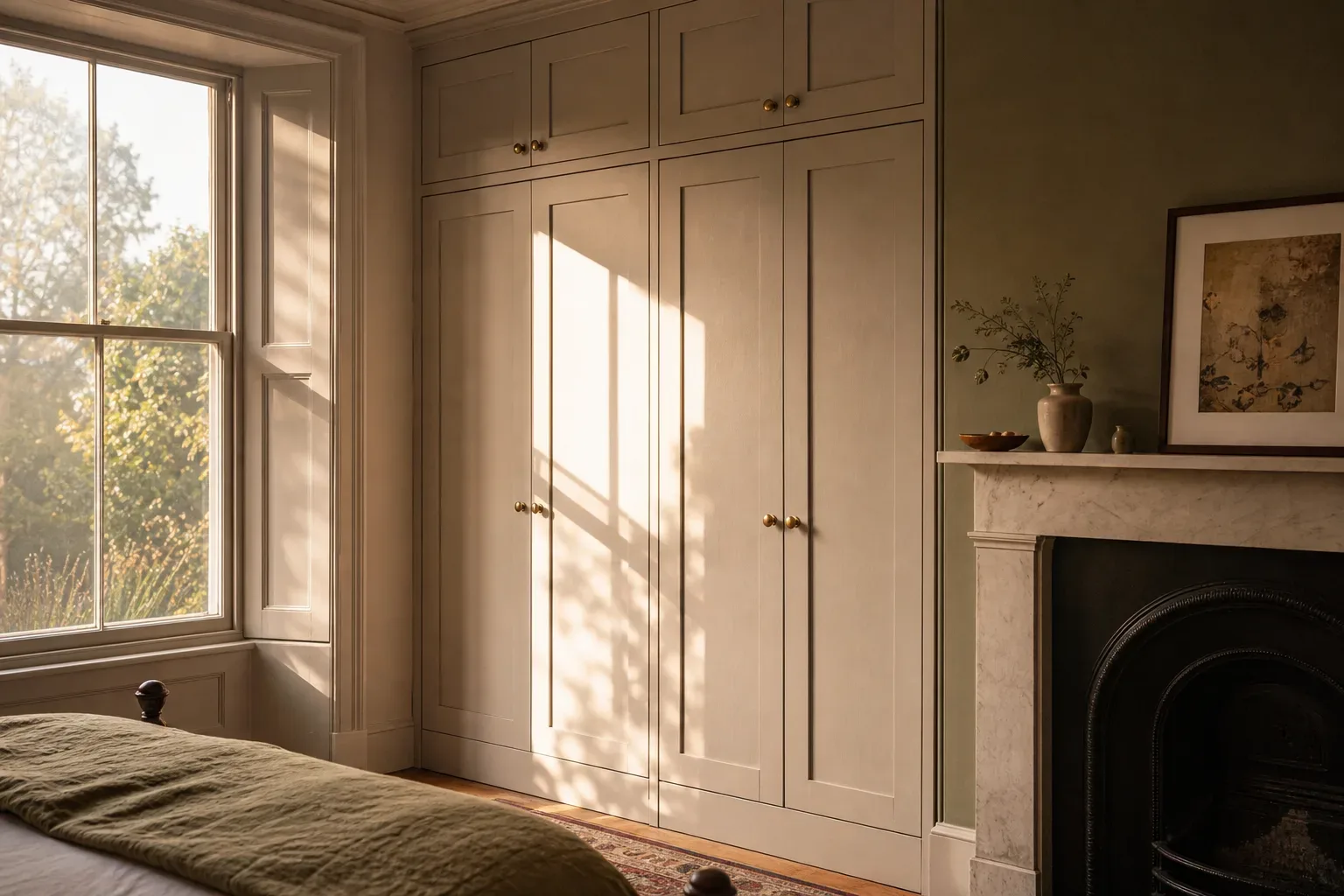
What Drives the Cost of a Fitted Wardrobe
Fitted wardrobes are priced on a combination of size, materials, internal configuration, and the complexity of installation. A simple alcove wardrobe in a Haddington new-build will cost considerably less than a full run of floor-to-ceiling cabinetry in a period property in North Berwick, even if the linear footage looks similar. Understanding these variables helps you budget accurately before you request quotes.
Labour costs in East Lothian sit broadly in line with Edinburgh rates, though rural locations around Dunbar or Gullane may attract a small travel supplement from larger installation firms. Always confirm whether quotes include site survey, fitting, and waste removal, as these can be listed separately.
Size and Room Configuration
The single biggest driver of price is the total volume of cabinetry. Fitters typically quote per linear metre or per square metre of carcase, so a 3-metre run costs roughly three times a 1-metre unit using the same materials. Height matters too: wardrobes that reach a 2.4-metre ceiling require taller carcases and more material than a standard 2.1-metre design.
Alcoves vs Straight Runs vs L-Shapes
Alcoves are often the most cost-efficient layout because two walls are already defined, reducing the amount of side-panel work needed. L-shaped and U-shaped configurations involve more internal corner work and usually require a custom-built corner unit, which adds joinery time. Rooms with sloped ceilings, such as those in converted loft spaces common in older East Lothian properties, demand scribing and cutting to fit, which is charged as additional labour.
Materials and Board Quality
The carcase, which is the structural box that forms the wardrobe body, is usually made from moisture-resistant chipboard or MDF. MDF is denser and takes paint particularly well, making it the preferred choice for a seamless painted finish. Chipboard with a melamine facing is cheaper and perfectly adequate for most bedrooms, but will not hold screws as firmly after repeated adjustment.
Door Choices and Their Price Impact
Doors typically represent 30–50% of the total project cost, so the choice here has significant impact. Sliding doors avoid the floor space needed to swing open, but the aluminium track system adds cost compared with hinged options. High-gloss acrylic and lacquered MDF doors carry a premium over foil-wrapped or vinyl-faced alternatives. Mirrored door panels add roughly £80–£150 per panel depending on glass thickness and frame profile.
Paint Finishes and Spray Painting
A factory-sprayed or spray-painted finish produces a harder, more even surface than brush-applied paint. Spray finishing requires dedicated equipment and usually needs to be done off-site, which increases lead time and cost. Expect to pay a 15–25% premium over a standard primed-and-painted finish for a full spray finish across all visible surfaces.
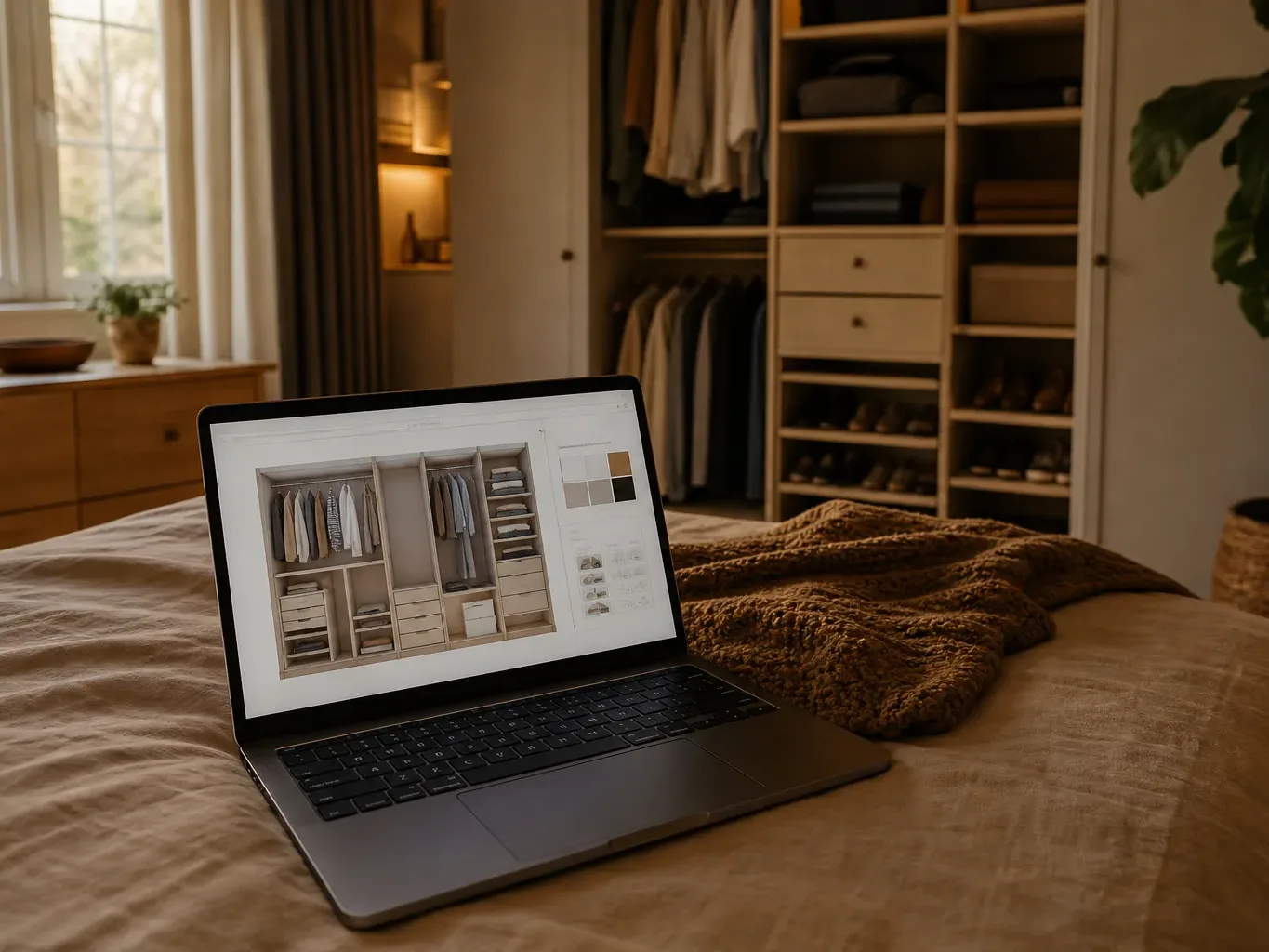
Internal Fittings and Organisation
The interior of a fitted wardrobe can be as simple as a single hanging rail and a shelf, or as elaborate as a combination of double hanging, long hanging, pull-out shoe racks, velvet-lined jewellery drawers, and internal lighting. Each additional component adds material and fitting time.
Drawers, Shelves, and Pull-Outs
Drawers are among the most expensive internal additions because they require drawer boxes, runners, and face panels. Soft-close runners cost more than standard ones but are worth considering for durability. Fixed shelves are the most affordable internal option, while pull-out wire baskets and trouser racks sit at a mid-range price point. A basic internal setup might add £200–£400 to a project; a heavily fitted interior can add £800 or more.
Internal Lighting
LED strip lighting or puck lights inside a wardrobe require an electrician to run a spur from a nearby circuit. In East Lothian, an electrician callout for a single circuit addition typically costs £150–£300, depending on the property's existing wiring and the distance from the consumer unit. Motion-activated LED systems are available as self-contained battery units for around £30–£80 and avoid the need for electrical work entirely.
Bespoke vs Semi-Bespoke vs Modular
Modular fitted wardrobes use standard-size carcases assembled on-site. They are the most affordable option and suit rooms with straightforward dimensions. Semi-bespoke systems use standard components but allow custom door sizing and a wider finish choice. Fully bespoke joinery is built from scratch to match the exact dimensions and style of the room, which is particularly useful in properties with unusual angles or ornate cornicing that needs to be matched or worked around.
Period properties in towns like Dirleton or Longniddry often have deep skirting boards, decorative cornices, or chimney breast recesses that a modular system cannot accommodate neatly. A bespoke joiner will scribe around these features, but that work carries a time-based cost.
Installer Experience and Accreditation
The price difference between a sole-trader carpenter and a larger fitted-furniture company in East Lothian can be substantial. A sole trader may charge £400–£700 per day for fitting, while a branded company packages survey, manufacture, and installation into a single price that is often harder to compare directly. Neither is inherently better value: a skilled sole trader with a strong local reputation can produce excellent results at a lower overall cost.
Check whether an installer is a member of the British Woodworking Federation or holds relevant trade accreditation. Ask for a written warranty on both materials and workmanship. Five years on materials and two years on fitting labour is a reasonable baseline to expect from an established supplier.
Lead Times and Seasonality
Demand for fitted furniture in East Lothian typically peaks in spring and ahead of the Christmas period, when installers' schedules fill quickly. Booking during quieter periods, such as late January or September, occasionally allows for negotiation on price. Some manufacturers pass on a small discount when orders are placed outside peak demand simply because it helps their production scheduling.
Lead times for bespoke and semi-bespoke wardrobes generally run 6–12 weeks from sign-off on the design. Modular systems can sometimes be installed within two to three weeks. Factor this into any planned bedroom redecoration or house move timeline.
Getting Accurate Quotes in East Lothian
Request at least three quotes for any project over £2,000. Provide each company with identical written specifications, including dimensions, door style, finish, and internal requirements, so that quotes are genuinely comparable. A quote that appears significantly lower than others may exclude VAT, delivery, or installation, so read the breakdown carefully rather than the headline figure.
Local joiners familiar with East Lothian's mix of modern developments and older stone-built properties will often identify structural considerations, such as uneven walls or hidden lintels, that a less experienced fitter might miss during survey. That local knowledge has practical value and can prevent costly remedial work later.
Frequently Asked Questions
What Factors Affect Fitted Wardrobe Prices in East Lothian?
The main factors are wardrobe size and room configuration, the quality of materials used for the carcase and doors, the complexity of internal fittings such as drawers and pull-outs, whether you choose a modular, semi-bespoke, or fully bespoke system, and the experience level of the installer. Labour rates in East Lothian broadly follow Edinburgh pricing, with possible travel supplements for more rural locations.
How Much Do Fitted Wardrobes Typically Cost in East Lothian?
Costs vary considerably depending on specification. A basic modular fitted wardrobe might start at around £800–£1,500 for a small run, while a full wall of bespoke cabinetry with premium doors and fitted interiors can reach £5,000–£10,000 or more. Getting three like-for-like quotes is the most reliable way to establish a realistic budget for your specific requirements.
Do Bespoke Fitted Wardrobes Cost More Than Modular Ones?
Yes, bespoke wardrobes are almost always more expensive than modular alternatives because they are built from scratch to exact dimensions and can accommodate unusual features such as sloped ceilings, deep skirting boards, or chimney breast recesses. Modular systems use standard-size carcases and are quicker to install, which keeps costs lower, but they may not achieve as precise a fit in older or non-standard rooms.
Does the Choice of Door Style Significantly Affect the Price?
Doors typically account for 30–50% of a fitted wardrobe's total cost, so yes, the choice has a significant effect. Sliding doors with aluminium track systems cost more than hinged options. High-gloss lacquered or acrylic panels carry a premium over foil-wrapped finishes, and mirrored panels add roughly £80–£150 each depending on glass thickness and frame style.
How Long Does It Take to Have a Fitted Wardrobe Installed in East Lothian?
Lead times depend on the type of product chosen. Modular systems can often be installed within two to three weeks of ordering. Semi-bespoke and fully bespoke wardrobes typically require 6–12 weeks from final design sign-off to installation. Demand is highest in spring and before Christmas, so booking during quieter periods such as late January or September may reduce waiting times.