 East Lothian Fitted Wardrobes
DIY vs Professional Fitted Wardrobe Installation in East Lothian
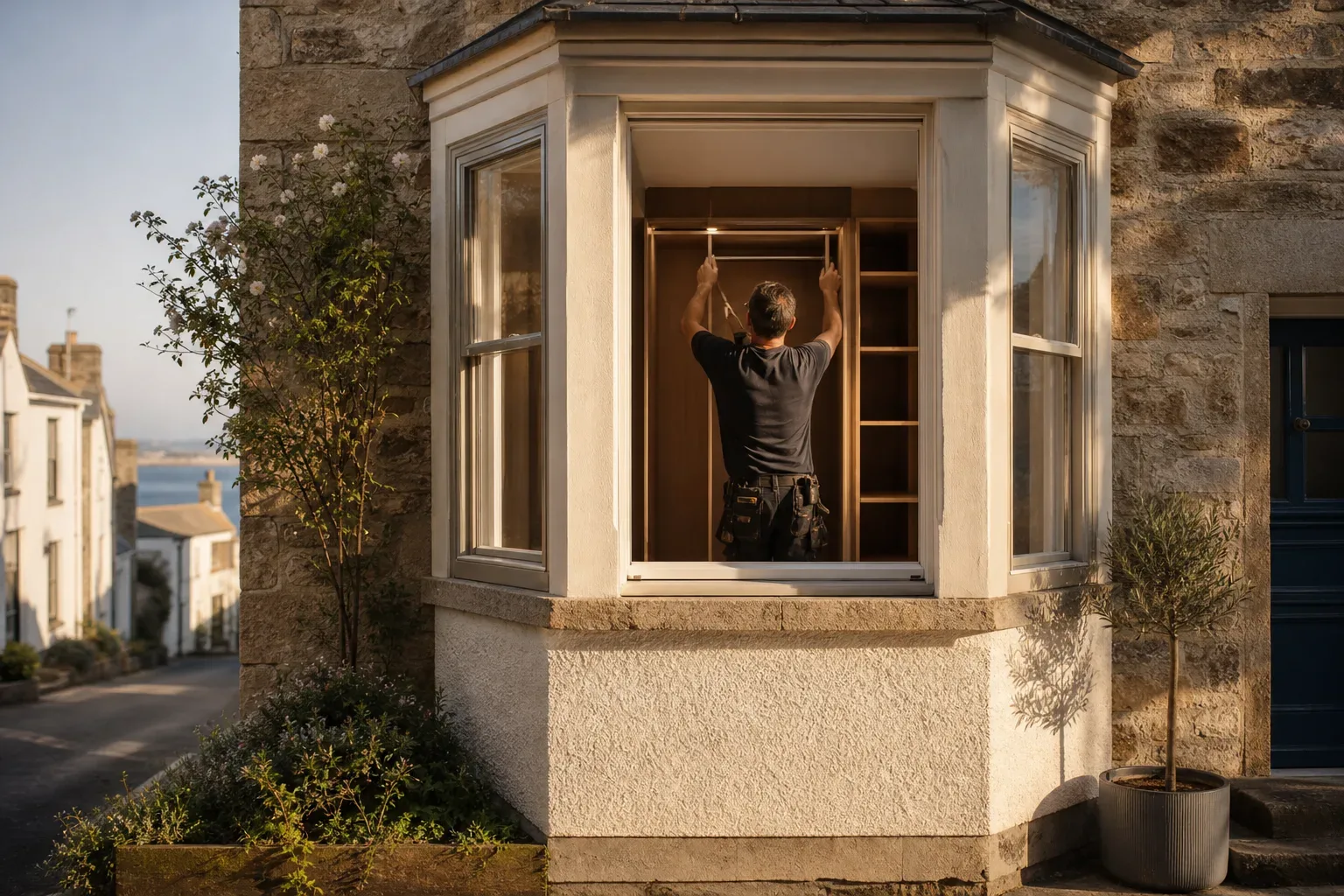
Fitted wardrobes can transform a bedroom from cluttered to composed, but the installation decision shapes everything: cost, finish quality, and how long the result actually lasts. In East Lothian, where older stone-built properties in towns like Haddington and North Berwick often have walls that are far from square, that decision carries real weight. Both routes have genuine merit. The right choice depends on your skills, your timeline, and the complexity of the space.
What DIY Wardrobe Installation Actually Involves
Flat-pack and modular wardrobe systems from retailers such as IKEA or Hammonds' DIY ranges look straightforward in the instructions. In practice, the job splits into several distinct stages: measuring and planning, preparing the walls, assembling the carcasses, fixing them securely, and fitting doors so they hang straight and close cleanly.
Measuring is where most DIY projects run into trouble early. A difference of 5–10 mm across the width of an alcove, or a floor that drops 15 mm from one end to the other, means gaps, twisted frames, or doors that won't align. East Lothian's older housing stock, particularly sandstone terraces and Victorian semis, regularly presents all three problems at once.
Tool requirements go beyond a basic drill. A good spirit level, a mitre saw for scribing panels to uneven walls, and a laser level for transferring heights accurately are all worth having before you start. Hiring these adds to your costs but is cheaper than buying outright for a one-off job.
Realistic DIY Timescales and Costs
A single-room, two-door fitted wardrobe built from modular components typically takes an experienced DIYer a full weekend, 12–16 hours of active work. First-timers should budget for a third day to handle mistakes and adjustments. Material costs for a mid-range flat-pack system covering a 3-metre run sit roughly in the £600–£1,200 range depending on the supplier and chosen finishes.
Hidden costs accumulate quickly: fixings rated for plasterboard or masonry, filler and paint for wall preparation, and potentially new skirting or cornice if the design requires it. If a panel is cut wrong, replacements add both time and money. Factor in around £50–£150 for consumables and hardware beyond what comes in the box.
What Professional Installation Delivers
A professional installer, particularly one who designs and builds bespoke fitted wardrobes, handles every stage from initial measurement to final snag. Bespoke carpentry means the wardrobe is built specifically for your room: panels are scribed to uneven walls, plinths are levelled to compensate for uneven floors, and the finished unit looks as though it grew out of the room rather than being placed in it.
In East Lothian, local joiners and fitted-furniture specialists are familiar with the region's housing types. Working in a solid stone-walled bedroom in Dunbar is different from fitting into a timber-framed new-build in Tranent, and experienced tradespeople carry the fixings and techniques for both. That local knowledge reduces the risk of expensive errors.
What Professional Wardrobe Installation Costs in East Lothian
Labour rates in East Lothian for joinery work typically run from £200–£350 per day. A straightforward fitted wardrobe installation using supplied flat-pack components might take one skilled tradesperson one to two days, putting labour in the £200–£700 range. Full bespoke joinery, where the carpenter manufactures the carcasses and doors to order, sits higher: a bespoke fitted wardrobe covering a 3-metre wall commonly costs £1,800–£3,500 all-in for supply and fit, depending on materials, internal fittings, and door style.
That figure includes the intangibles: a clean finish, a guarantee of workmanship, and no wasted materials. Many professional installers also project-manage the paint finish or handle minor plastering, saving you separate contractor visits.
Is Professional Wardrobe Installation Worth the Cost in East Lothian?
For most homeowners in East Lothian, professional installation is worth the extra spend if the room has non-standard dimensions, if you want a bespoke or painted finish, or if the wardrobe runs across a full wall or into an alcove. The labour premium over DIY often falls in the £500–£1,500 range depending on complexity. Weighed against the risk of a visibly uneven result or a carcass that shifts over time, that gap narrows considerably.
Property in East Lothian holds value partly because buyers expect quality finishes in a competitive market. A poorly fitted wardrobe, with visible gaps at the ceiling or doors that bind, can flag broader workmanship concerns during a viewing. A cleanly executed professional installation adds rather than detracts from that impression.
The case for DIY is strongest when the room is a simple rectangular shape, the walls are plumb and square, and you have direct experience with carpentry or furniture assembly. Modular systems designed for DIY installation, where the components are pre-finished and the design tolerates small gaps, suit confident and patient homeowners well.
What Are the Risks of DIY Wardrobe Installation in East Lothian?
The main risks are structural insecurity, poor alignment that worsens over time, and damage to walls or floors that costs more to fix than the original saving. Fixing heavy carcasses to a solid rubble-filled stone wall, common in East Lothian's older properties, requires the right masonry anchors and a drill capable of penetrating dense material. Incorrect fixings can allow a loaded wardrobe to pull away from the wall.
Door alignment is the most visible failure mode. Hinges and tracks set even slightly out of square produce doors that sag, rub, or refuse to close flush. Adjusting these after the unit is fully loaded with clothes is awkward and sometimes impossible without partial disassembly.
There is also the question of time cost. A weekend consumed by a wardrobe installation, followed by a third day correcting problems, represents a real trade-off against paid work, family time, or other home projects.
How to Decide Which Route Suits Your Project
Start with an honest assessment of three things: the room's geometry, your skill level, and the finish you want. Measure your walls at the top, middle, and bottom; measure the floor level across the full width of the planned unit. If measurements vary by more than 10 mm in any direction, the job will require scribing and levelling work that demands experience.
Get at least two quotes from local installers before deciding. A quote gives you a fixed reference point for what professional installation actually costs in your specific space, making the DIY comparison concrete rather than abstract. Many East Lothian joiners offer a no-obligation measure and quote, which also gives you a second opinion on how straightforward or complex the job genuinely is.
If you proceed with DIY, invest in the right tools before starting, not partway through. Stopping to hire a laser level on day two of a project, after panels are already in place, compounds both time and stress. Good preparation is the single biggest factor separating a clean DIY result from a frustrating one.
Frequently Asked Questions
Is Professional Wardrobe Installation Worth the Cost in East Lothian?
For most East Lothian homeowners, professional installation is worth the cost when the room has uneven walls or floors, when a bespoke or painted finish is wanted, or when the wardrobe spans a full wall or alcove. The labour premium over DIY typically falls in the £500–£1,500 range, but it buys a guaranteed finish, correct structural fixing, and no wasted materials from cutting errors.
What Are the Risks of DIY Wardrobe Installation in East Lothian?
The main risks include structural insecurity from incorrect fixings, particularly in older stone-walled properties common across East Lothian, poor door alignment that worsens over time, and damage to walls or floors. Using the wrong masonry anchors in a rubble-filled stone wall can allow a fully loaded wardrobe to pull away. Visible gaps and binding doors are the most common cosmetic failures.
How Much Does a Fitted Wardrobe Cost to Install in East Lothian?
DIY material costs for a mid-range modular system covering a 3-metre run typically sit between £600 and £1,200, plus £50–£150 for fixings and consumables. Professional bespoke supply-and-fit in East Lothian commonly ranges from £1,800 to £3,500 for a similar wall run, depending on materials and internal fittings. Labour-only rates for a tradesperson fitting supplied flat-pack components run roughly £200–£700 depending on the number of days required.
How Long Does DIY Wardrobe Installation Take?
An experienced DIYer working with modular flat-pack components typically needs 12–16 hours, spread across a full weekend, for a standard two-door fitted wardrobe. First-time installers should plan for a third day to handle adjustments, alignment corrections, and any wall or floor irregularities. Preparation, including measuring and gathering tools, adds time before the build begins.
What Type of Walls Affect Wardrobe Installation in East Lothian Homes?
East Lothian has a mix of solid stone-walled older properties, common in towns like Haddington, North Berwick, and Dunbar, and timber-framed new-builds in areas such as Tranent. Solid stone walls require specific masonry drill bits and heavy-duty anchors rated for the load. Timber-framed walls need fixings located into the studs rather than the plasterboard alone, making a stud finder essential before drilling.