 East Lothian Fitted Wardrobes
Sustainable and Eco-Friendly Wardrobe Materials Available in East Lothian
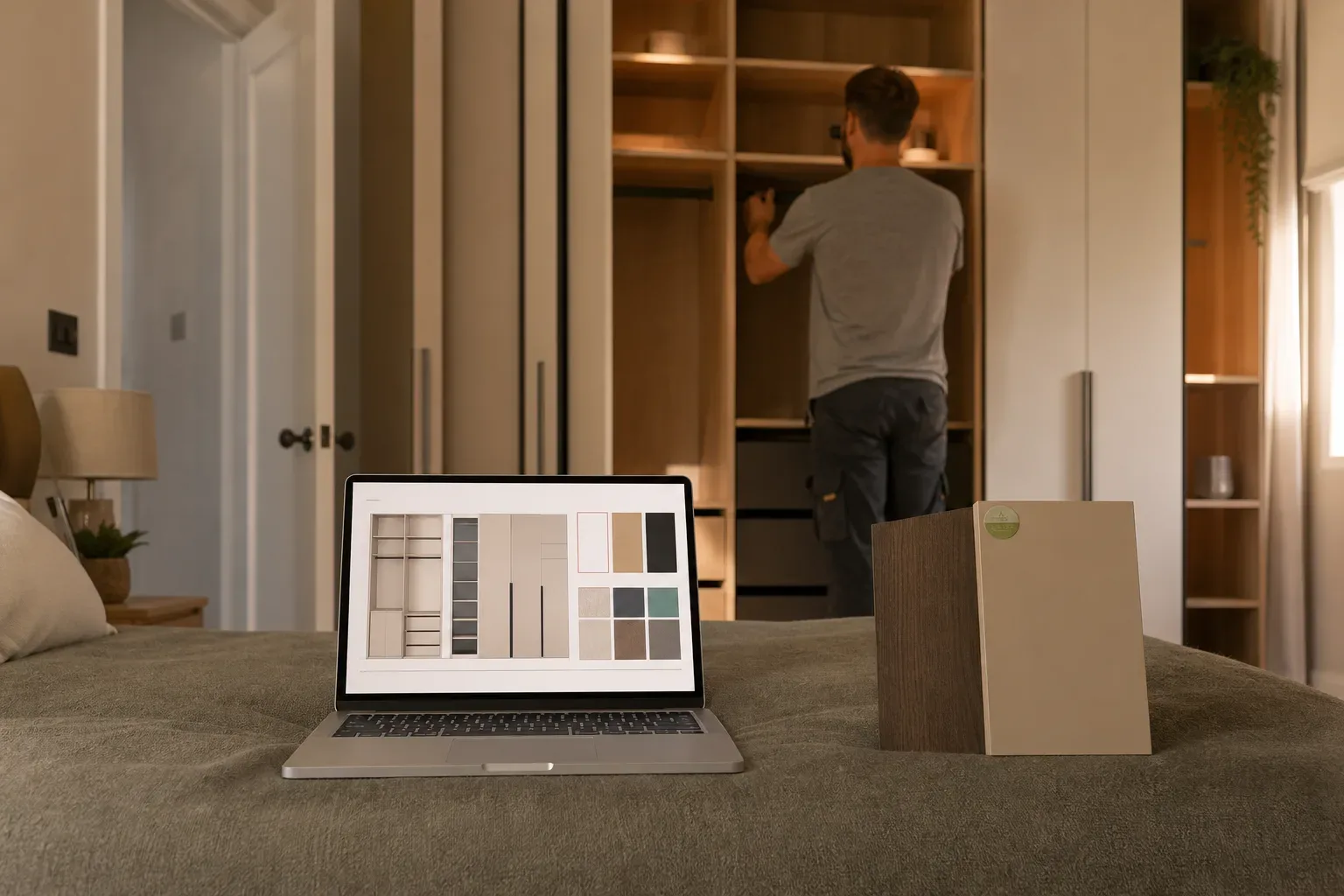
What Makes Fitted Wardrobes Eco-Friendly in East Lothian?
Eco-friendly fitted wardrobes in East Lothian combine responsibly sourced materials, low-emission adhesives, and manufacturing processes that minimise waste. The key markers to look for are third-party certifications such as FSC (Forest Stewardship Council) or PEFC (Programme for the Endorsement of Forest Certification), which confirm the timber or board came from a managed, legal source. Beyond the wood itself, the finishes matter: water-based lacquers release far fewer volatile organic compounds (VOCs) than solvent-based alternatives, improving indoor air quality in your bedroom. Fitters operating in East Lothian increasingly stock these options as standard, partly driven by customer demand and partly by tighter Scottish building guidance around indoor air quality.
Local joiners and bespoke fitters based in towns like Haddington, Dunbar, and North Berwick can often source boards and solid timbers from Scottish or Northern English suppliers, reducing transport emissions compared with products shipped from mainland Europe. That shorter supply chain is a genuine environmental benefit, not just a marketing claim.
Are Eco-Friendly Fitted Wardrobes Sustainable in East Lothian?
Yes, genuinely sustainable options exist in East Lothian, provided you ask the right questions of your fitter before any materials are ordered. Sustainability covers more than the origin of the timber. It includes how long the wardrobe will last, whether the components can be repaired or reconfigured, and what happens to offcuts and packaging.
A well-built fitted wardrobe in solid oak or certified MDF (medium-density fibreboard) can last 20–30 years with normal use, which is a significantly smaller environmental footprint than replacing flat-pack furniture every five to eight years. Some East Lothian joiners offer modular internal systems, meaning you can rearrange shelves, hanging rails, and drawer units as your storage needs change, rather than replacing the entire installation. Ask your fitter whether their offcuts go to waste or are used elsewhere on-site or donated to community workshops.
What Materials Are Used in Eco-Friendly Fitted Wardrobes in East Lothian?
Several core materials appear repeatedly in sustainable fitted wardrobe builds. Each has different performance characteristics, so the right choice depends on your budget, aesthetic preference, and how the room is used.
FSC-Certified MDF and Chipboard
MDF and chipboard are the backbone of most fitted wardrobe carcasses (the structural box of the unit). FSC-certified versions use wood fibres or chips from forests where felling rates do not exceed regrowth rates. Low-VOC or formaldehyde-free binders are increasingly available and are worth specifying explicitly. These boards take paint and veneer finishes well, giving a smooth, uniform appearance at a lower price point than solid timber.
Solid Timber
Scottish pine, oak, and ash are all available through Scottish timber merchants and can be sourced with PEFC certification. Solid timber is durable, repairable, and biodegradable at end of life. It costs more per square metre than board materials, but a solid-timber wardrobe door or shelf can be sanded, re-stained, or repaired rather than replaced. Pine grown in Scottish plantations is particularly accessible and tends to be competitively priced compared with imported hardwoods.
Reclaimed Timber
Reclaimed timber, salvaged from demolition sites, old barns, or industrial buildings, carries no new-logging footprint at all. It is harder to source in consistent quantities, so it suits smaller accent elements such as internal shelving, drawer fronts, or decorative panels rather than full carcasses. Architectural salvage suppliers in and around Edinburgh occasionally stock suitable timber, which East Lothian fitters with good supplier networks can access.
Bamboo
Bamboo is technically a grass rather than a timber, and it regrows to harvest size in roughly five years compared with 25–80 years for oak. Bamboo panels and veneers are available from specialist UK suppliers and work well for drawer bases, shelf liners, and door facings. The main consideration is that most bamboo is processed in Asia, so its transport carbon should be weighed against its rapid-regrowth advantage.
Water-Based and Natural Finishes
The finish applied to any of the above materials affects both sustainability and indoor air quality. Water-based lacquers, hardwax oils, and linseed-oil paints all emit significantly fewer VOCs than traditional solvent-based products. Some bespoke East Lothian joiners now offer Farrow and Ball or Lick paint finishes on their wardrobe doors, which are marketed with lower-VOC formulations and are available in the Edinburgh region.
How Much Do Eco-Friendly Fitted Wardrobes Cost in East Lothian?
Eco-friendly fitted wardrobes in East Lothian typically cost between £1,800 and £6,000 for a standard double-bedroom installation, depending on material choices, finish, and the complexity of the internal configuration. That range sits broadly in line with conventional fitted wardrobes, because the premium for certified or reclaimed materials is often modest relative to the total labour cost.
FSC-certified MDF carcasses with painted doors represent the lower end of that range and are the most accessible starting point for homeowners who want sustainability without a large premium. Solid Scottish timber builds with bespoke joinery sit toward the upper end. Reclaimed timber elements can actually reduce material costs compared with new hardwood, though the labour involved in preparing and fitting salvaged pieces may offset some of that saving.
Get at least three quotes from local fitters and ask each one to specify the certification status of their board materials and the VOC rating of their chosen finish. A fitter who cannot answer those questions may not be sourcing with sustainability in mind, regardless of how their marketing reads.
Finding Reputable Eco-Conscious Fitters in East Lothian
East Lothian has a mix of local independent joiners and fitted furniture companies that cover the area from Musselburgh through to Dunbar. The most reliable way to identify genuinely eco-conscious fitters is to ask for material data sheets or certification numbers rather than accepting general claims about being "green" or "sustainable."
Checking membership of bodies such as the British Woodworking Federation (BWF) is a useful signal, as member businesses are expected to follow responsible sourcing policies. Word-of-mouth recommendations from neighbours or local community groups, particularly in villages like Gullane, Longniddry, or Cockenzie, often surface fitters who have done similar sustainable builds nearby. Seeing completed work in person is more informative than browsing a portfolio online, because you can assess the quality of joins, the consistency of the finish, and ask the homeowner about the experience directly.
Specifying your sustainability requirements in writing at the quotation stage, rather than raising them after a contract is signed, ensures the materials delivered to your home actually match what was discussed.
Frequently Asked Questions
What Makes Fitted Wardrobes Eco-friendly in East Lothian?
Eco-friendly fitted wardrobes in East Lothian use FSC or PEFC-certified timber and board materials, low-VOC water-based finishes, and manufacturing processes that minimise waste. Local fitters sourcing from Scottish or Northern English suppliers also reduce transport emissions compared with imported products.
Are Eco-friendly Fitted Wardrobes Sustainable in East Lothian?
Yes, genuinely sustainable options are available in East Lothian. A well-built fitted wardrobe using certified MDF or solid timber can last 20–30 years, and some local fitters offer modular internal systems that can be reconfigured rather than replaced. Ask your fitter how they handle offcuts and whether components are repairable.
What Materials Are Used in Eco-friendly Fitted Wardrobes in East Lothian?
Common materials include FSC-certified MDF or chipboard, PEFC-certified solid Scottish pine, oak or ash, reclaimed timber for shelving or door fronts, bamboo panels and veneers, and water-based or hardwax-oil finishes. The right combination depends on your budget, desired look, and how long you need the wardrobe to last.
How Much Do Eco-friendly Fitted Wardrobes Cost in East Lothian?
Eco-friendly fitted wardrobes in East Lothian typically cost between £1,800 and £6,000 for a standard double-bedroom installation. FSC-certified MDF builds with painted doors sit toward the lower end, while solid Scottish timber with bespoke joinery sits toward the upper end. The premium for certified materials is usually modest relative to total labour costs.
How Do I Verify That a Fitter in East Lothian Is Genuinely Using Sustainable Materials?
Ask your fitter for material data sheets or certification numbers for the boards and finishes they plan to use, rather than accepting general green claims. Checking whether they hold British Woodworking Federation membership is a useful signal, and specifying your sustainability requirements in writing at the quotation stage ensures the delivered materials match what was agreed.